

 By
By Introduction
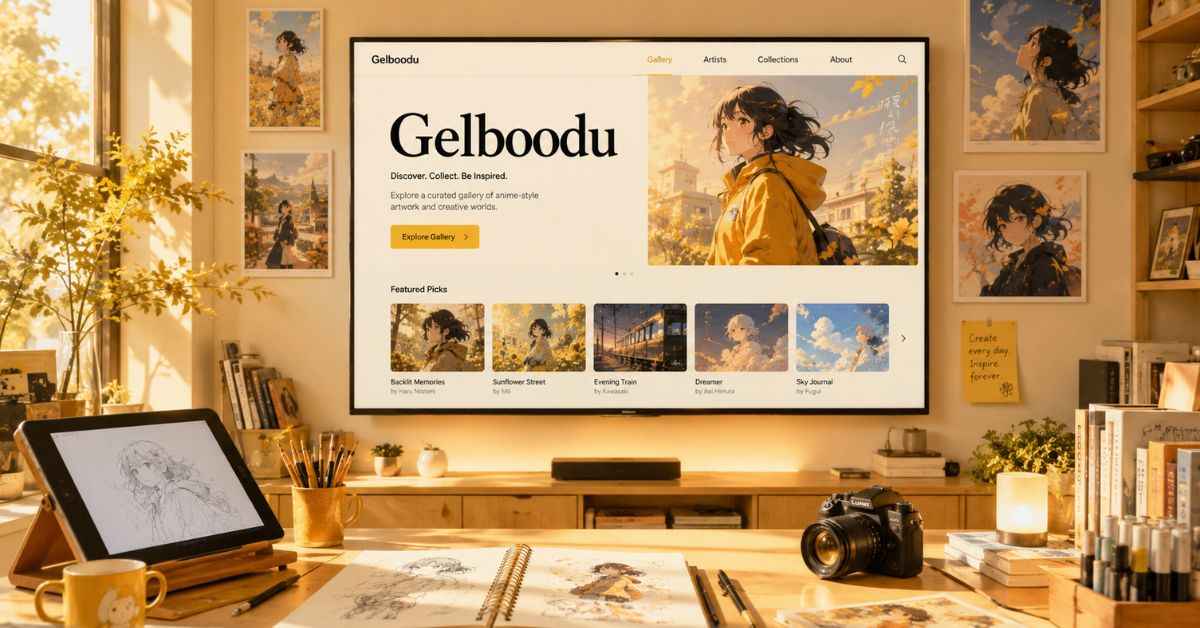
Finding anime artwork online can feel messy. One site has low-quality reposts. Another hides good art behind weak search tools. Social platforms show what an algorithm wants, not always what you are looking for. Gelboodu is often searched by anime and manga fans who want a more organized way to explore character art, fan illustrations, tags, and themed image collections.
But an anime imageboard is not just a gallery. It can include user-uploaded content, mature material, reposted art, missing credits, and copyright questions. This guide explains what it is, how it works, who it helps, and how to use it carefully.
What Is Gelboodu and Why Do Anime Fans Use It?
Gelboodu is an anime-themed imageboard platform where users can browse, share, tag, and interact with anime and manga artwork. It works more like a searchable archive than a normal social media feed. Instead of depending only on followers or algorithms, users search by tags such as character names, series titles, art styles, themes, or content ratings.
The appeal is simple: anime fans often want very specific images. For example, someone may search for a certain character in school uniform, a battle pose, a rainy background, or a specific manga-inspired art style. A tag-based archive can make that easier than scrolling through random posts.
Anime is also no longer a small niche. Dentsu reported in 2025 that anime is watched weekly by about half of Gen Z and Millennials globally, which helps explain why searchable anime art spaces keep attracting attention.
| User Type | How They May Use the Platform | Main Benefit |
| Casual fans | Browse favorite characters and series | Quick visual discovery |
| Collectors | Save themed artwork references | Better organization |
| Artists | Study styles, poses, tags, and trends | Creative inspiration |
| Fandom writers | Find visual references for characters | Easier world-building |
| Moderators/taggers | Improve tags and report issues | Cleaner archive quality |
How the Platform Works Behind the Scenes
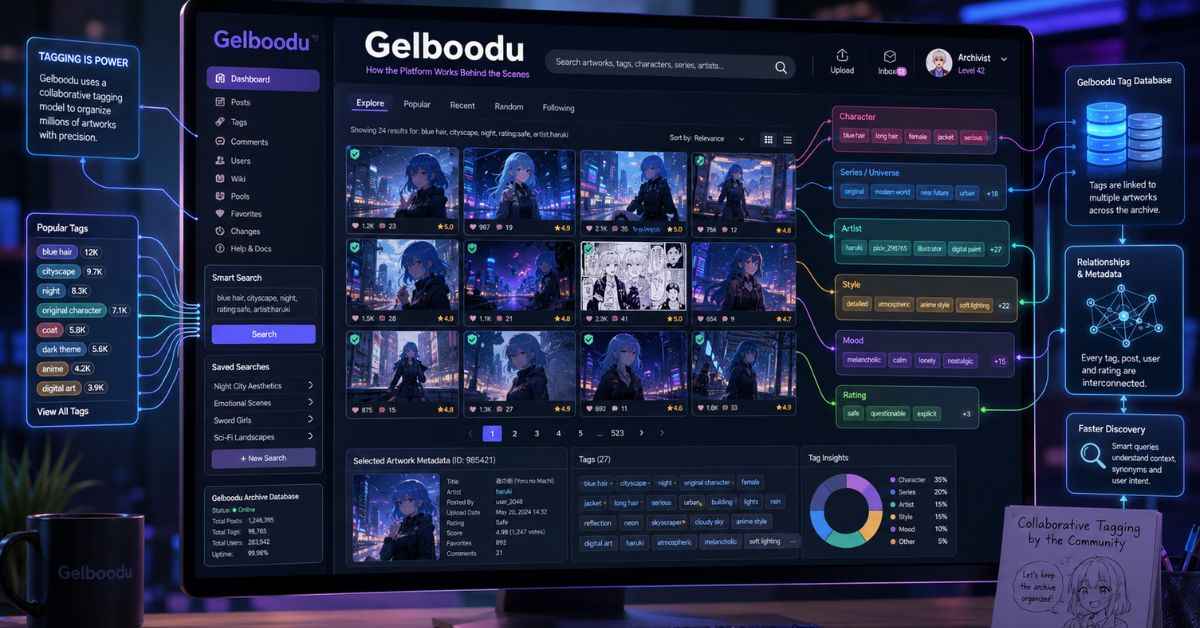
The core idea is the “booru” model. Booru-style sites organize images through user-made tags rather than only folders or feeds. Danbooru, one of the best-known anime imageboards, launched in 2005 and became influential because of collaborative tagging, content ratings, and anime-focused archiving.
On a platform like Gelboodu, each image may include several tag types:
- Character tags: names of characters shown in the artwork.
- Series tags: the anime, manga, game, or franchise connected to the image.
- Artist tags: the creator or source name when known.
- General tags: pose, clothing, background, expression, or theme.
- Rating tags: safe, sensitive, questionable, or explicit content labels.
This system helps users narrow results. Searching only one word may return thousands of images. Searching with three or four connected tags gives cleaner results.
For example, a weak search might be “anime girl.” A stronger search could combine character name, series name, outfit, and mood. That is the difference between browsing randomly and using the archive properly.
Gelboodu Definition, Safety, and Key Features
Gelboodu is an anime imageboard-style platform for discovering, organizing, and interacting with anime and manga artwork through tags, filters, and community activity. Its main value is searchable visual discovery, but users should also understand content ratings, copyright risks, and artist attribution before uploading or resharing images.
This definition matters because many new users treat imageboards like normal social media. That can lead to poor searches, unwanted mature results, or careless reposting.
| Feature | What It Does | Why It Matters |
| Tag search | Finds images by character, series, style, or theme | Helps users search precisely |
| Content filters | Blocks or limits mature material | Supports safer browsing |
| User uploads | Allows community-contributed images | Keeps the archive growing |
| Comments/voting | Lets fans discuss and rate posts | Adds community feedback |
| Artist/source tags | Connects images to creators when available | Helps with credit and discovery |
Safety depends on settings and behavior. Users should avoid suspicious ads, pop-ups, or download prompts. The FTC advises people to be cautious with phishing attempts, malware risks, and suspicious online messages or links.
Copyright also matters. Fan art, screenshots, edits, and reposted images may involve original creators, studios, publishers, or artists. The U.S. Copyright Office explains that derivative works are based on preexisting works, and its Section 512 resources explain takedown processes for unauthorized online use.
Common Mistakes
The first mistake is using broad tags only. A broad search can bury useful images under thousands of weak matches. Combine tags for character, series, pose, clothing, and tone.
The second mistake is ignoring filters. If you want safe-for-work browsing, set content limits before exploring. Do not assume every anime imageboard shows only general-audience artwork.
Reposting without verifying credit is the third error. If an image has an artist tag or source link, follow it. If the source is unclear, avoid using the image commercially or presenting it as your own.
The fourth mistake is trusting every upload. User-generated platforms can contain wrong tags, duplicate images, broken credits, or low-quality reposts. Treat tags as helpful signals, not perfect proof.
The fifth mistake is downloading carelessly. Avoid files, extensions, or pop-ups that are not part of normal image viewing. A safe browsing habit is just as important as a good search habit.
Pro Tips and Best Practices
Start with a simple search, then refine it. Use one main tag first, scan the results, and add more tags when you see patterns. This helps you learn how the platform labels content.
Use blacklist or filter tools early. If you dislike certain themes, ratings, or content types, block them before deep browsing. This creates a cleaner experience.
Check artist tags before saving references. If you are an artist, writer, blogger, or editor, keep a note of the creator and source. Good attribution protects creators and helps readers find original work.
For inspiration, do not copy directly. Study composition, color, line work, pose language, or mood. Then create something new from your own idea.
For younger users or shared devices, use stricter filters. Parents, schools, and public settings should treat anime imageboards carefully because community uploads can vary widely.
For website owners writing about anime platforms, avoid exaggerated claims. Say what the site appears to offer, note what may change, and remind readers that user-uploaded content can shift over time.
FAQs
What is Gelboodu used for?
Gelboodu is used for browsing, searching, and interacting with anime and manga artwork through tags and imageboard-style organization. Fans may use it to find character images, explore fan art, study art styles, or build themed collections. It is most useful when users understand tag-based searching.
Is Gelboodu safe for beginners?
Gelboodu can be safer for beginners when filters, blacklists, and cautious browsing habits are used. New users should set content preferences first, avoid suspicious pop-ups, and avoid downloading unknown files. Safety also depends on whether the platform’s moderation and rating systems stay updated.
How do I search better on Gelboodu?
Search better by combining specific tags instead of using one broad keyword. Start with a character or series name, then add details like outfit, mood, background, or art style. This reduces irrelevant results and helps you find more accurate anime artwork faster.
Can artists upload their own work?
Artists may be able to upload their own work if the platform allows user submissions and the content follows its rules. Artists should include correct tags, source links, and ownership details. They should avoid uploading work they do not own or do not have permission to share.
Is Gelboodu only for adult content?
Gelboodu is not only for adult content, but anime imageboards may include both safe and mature material. Users should rely on rating filters and blacklist tools to control what appears. SFW-only browsing is usually possible only when settings and moderation work properly.
What makes Gelboodu different from normal social media?
Gelboodu is different because it focuses on searchable tags rather than follower feeds or short-term algorithm trends. A well-tagged image can remain discoverable for years. This makes imageboards useful for archives, references, and niche fandoms that may get buried on mainstream platforms.
Should I use images from Gelboodu in my blog?
You should not use images from Gelboodu in a blog unless you have permission or a clear license. User-uploaded artwork may still belong to the original artist or copyright owner. Safer options include licensed images, creator permission, official press assets, or your own graphics.
Conclusion
Gelboodu is useful because it gives anime fans a more organized way to find artwork, characters, styles, and fandom visuals. Its tag-based system can be far more precise than social media scrolling, especially for people who know how to combine tags and manage filters.
At the same time, Gelboodu should be used with care. Respect artist credit, avoid risky downloads, use safety settings, and remember that user-uploaded content can change over time. The best experience comes from smart searching, responsible sharing, and a clear understanding of how anime imageboards work.